Decoding the molecular and cellular basis of plant-microbe interactions
The Sainsbury Laboratory
Norwich, UKThe Sainsbury Laboratory · Norwich, UK
Cells continuously integrate ever-changing signals from developmental, environmental, and inter-organismal sources. How do they translate this information into state transitions that propagate across multicellular networks to shape organismal phenotype? We address this by developing technologies and conceptual frameworks to measure, manipulate, and predict cell behaviour, and by sharing these advances openly to accelerate discovery.
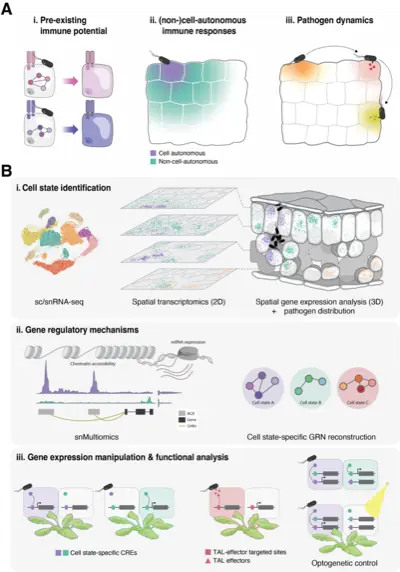
Plants and microbes interact through heterogeneous and spatially organized cellular states. We aim to understand how these states arise, how they are regulated, and how individual plant and microbial cells influence one another. To address these questions, we combine single-cell and spatial omics with molecular biology, imaging, and computational approaches.
The themes below highlight selected contributions from our research – discoveries, ideas, methods, datasets, and shared resources – together with what they have enabled and, for ongoing work, where they are heading.
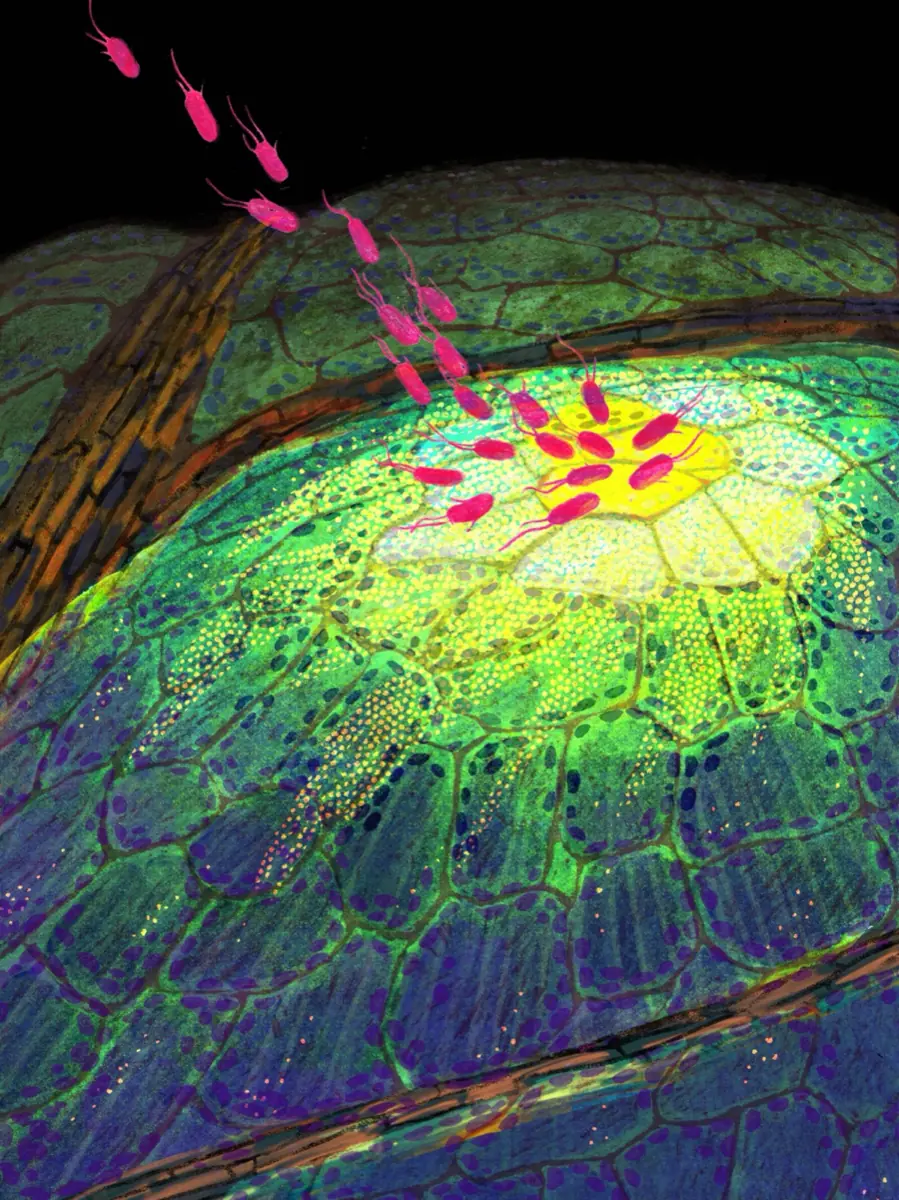
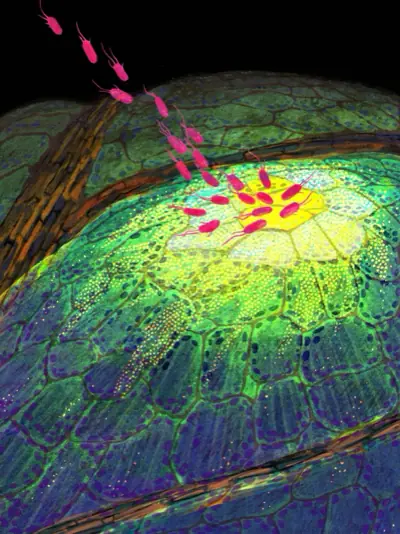
Image credit: Hsuan Pai
Plant immune cell states
Plants lack specialized and mobile immune cells, so any cell type encountering a pathogen must mount immune responses and communicate with surrounding cells. We integrate time-resolved single-cell transcriptomic, epigenomic, and spatial transcriptomic data to identify the cell states that arise during infection and to describe the gene-regulatory logic specific to each.
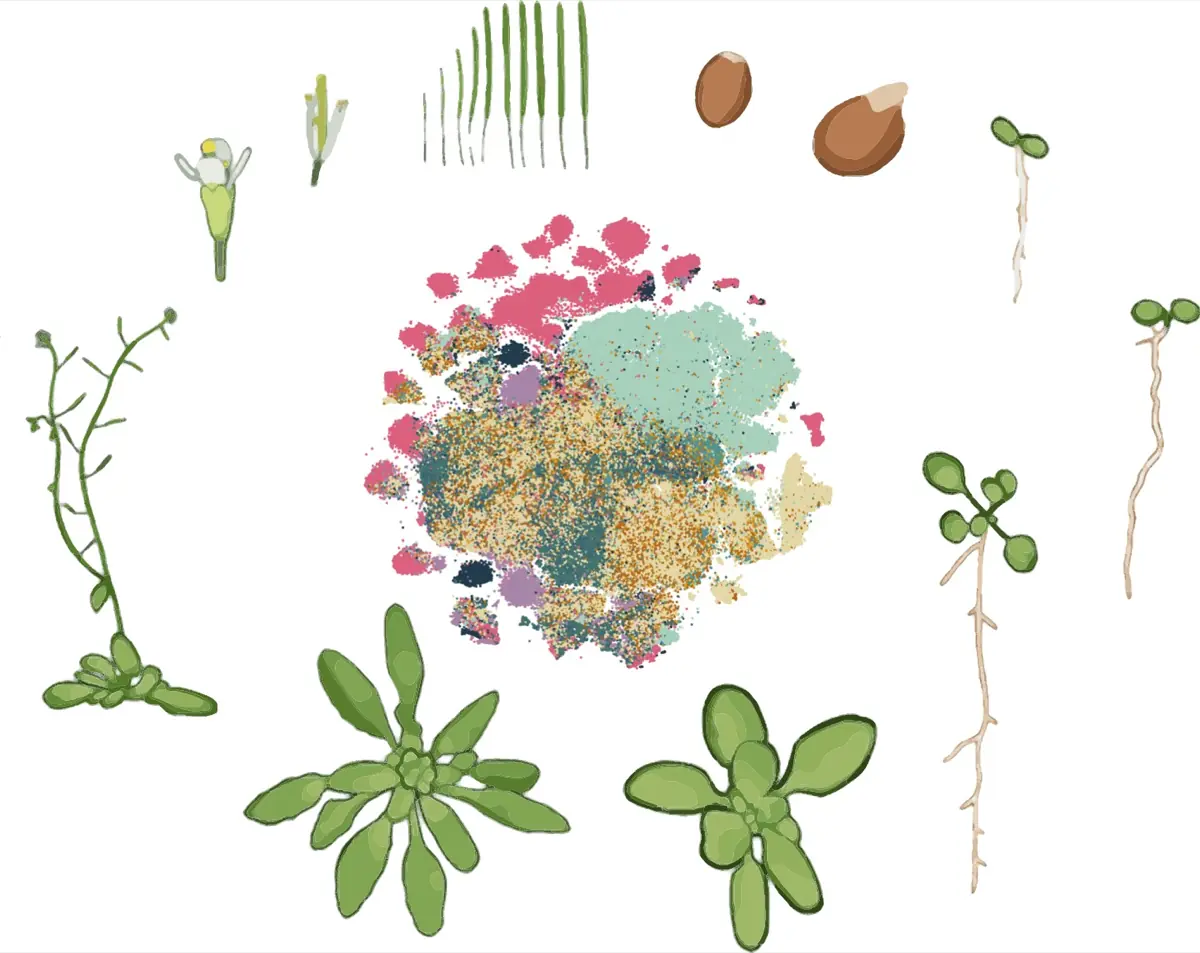
Plant Cell Atlas
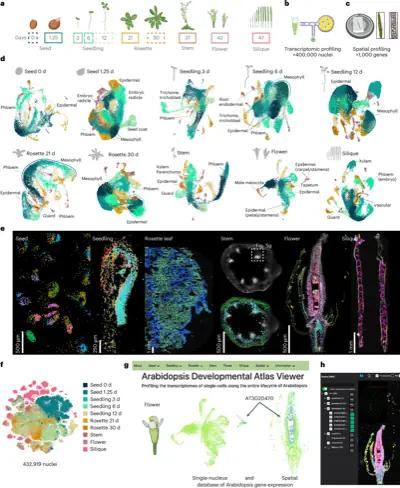
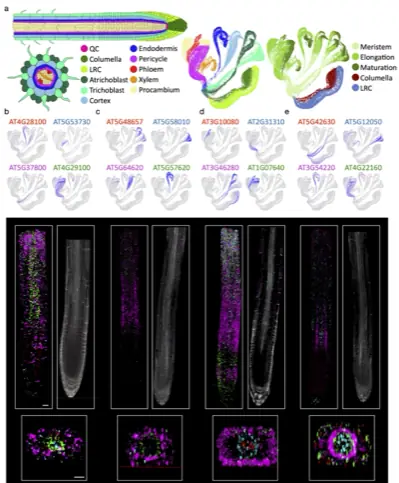
We co-built a single-nucleus and spatial transcriptomic atlas spanning the Arabidopsis life cycle. The atlas resolves cellular identities and states across developmental stages and organs, providing a reference for interpreting developmental programs, environmental responses, and genetic perturbations at cellular resolution.
Work in progress
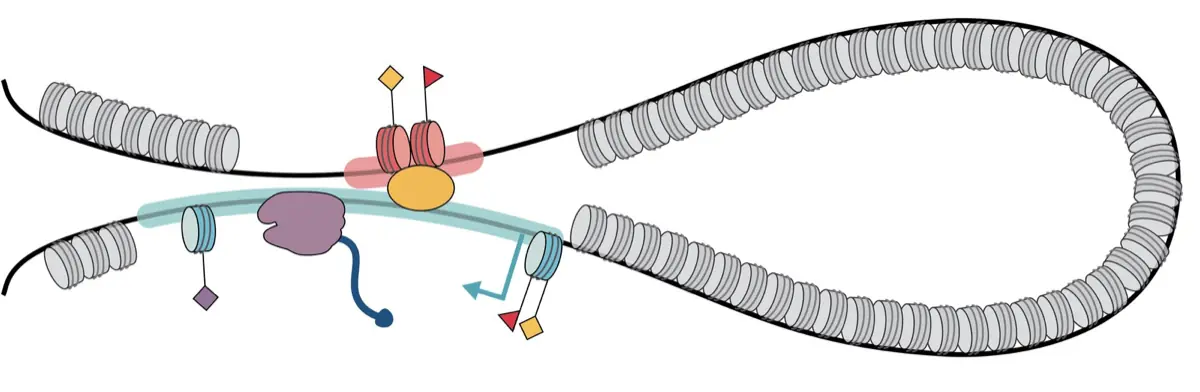
Regulatory genomics of plant immunity
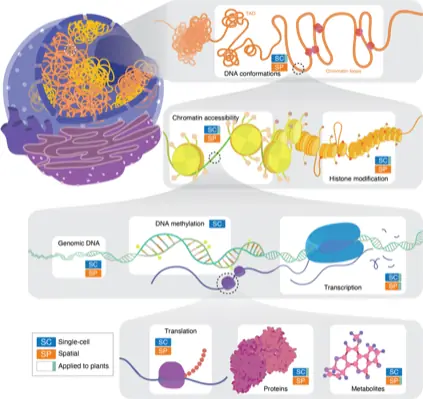
We are building a cell-state-resolved view of the regulatory logic underlying plant immunity. By integrating csRNA-seq, which identifies transcription initiation and active regulatory elements, with single-nucleus transcriptome and chromatin profiling, we aim to connect cis-regulatory elements and transcription-factor combinations to immune programs across cell types and states.
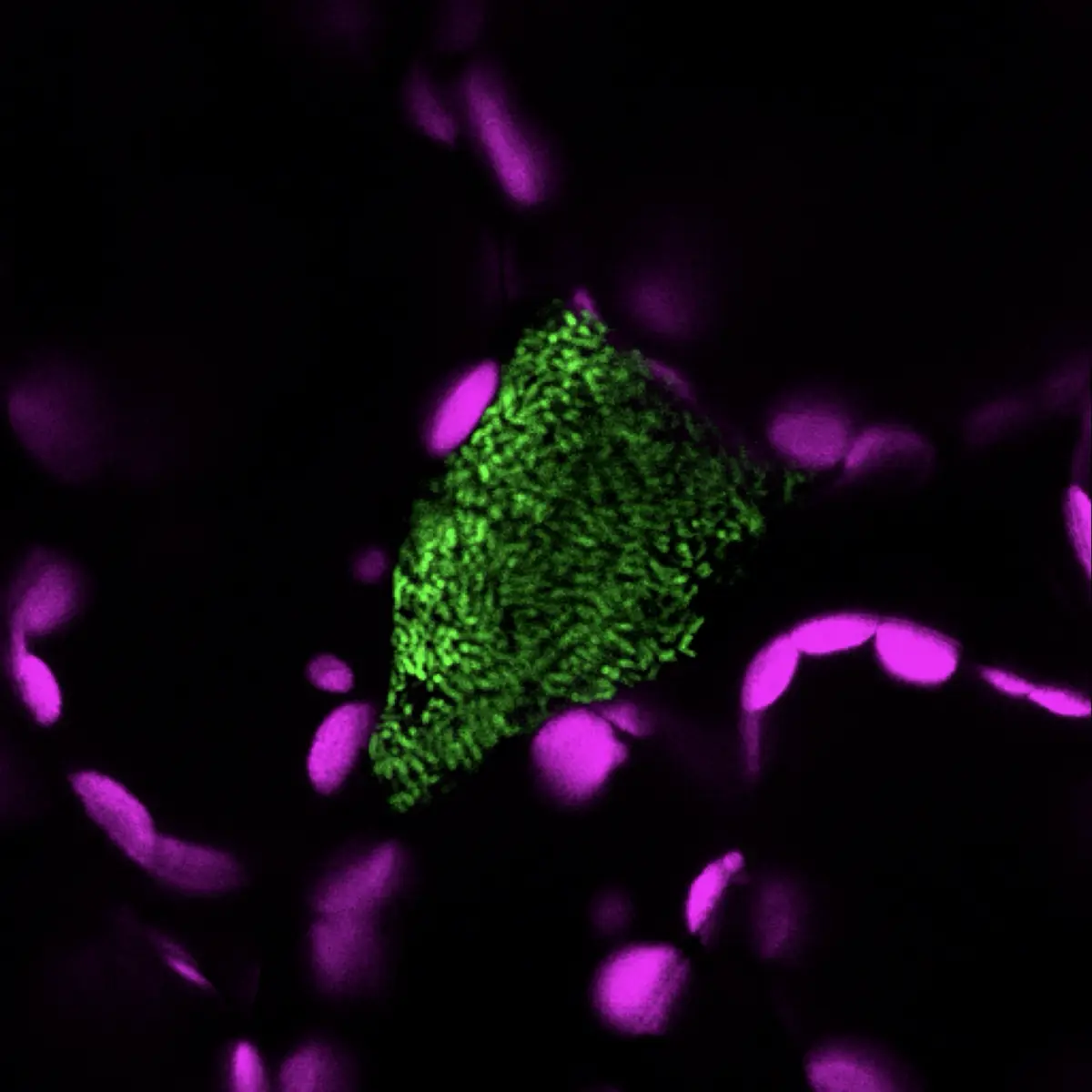
PHYTOMap
We developed PHYTOMap, a low-cost whole-mount method for multiplexed 3D RNA imaging in plants at single-molecule resolution. It enables spatial gene-expression analysis without tissue sectioning or generating a transgenic reporter for every target, and can be applied across diverse plant tissues and species.
In planta bacterial omics
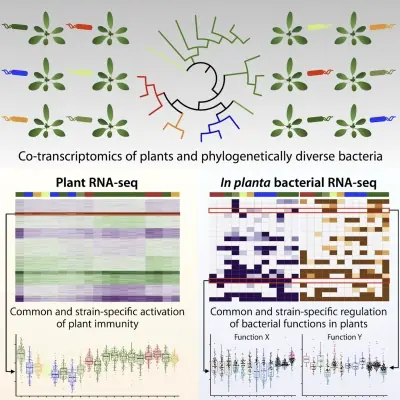
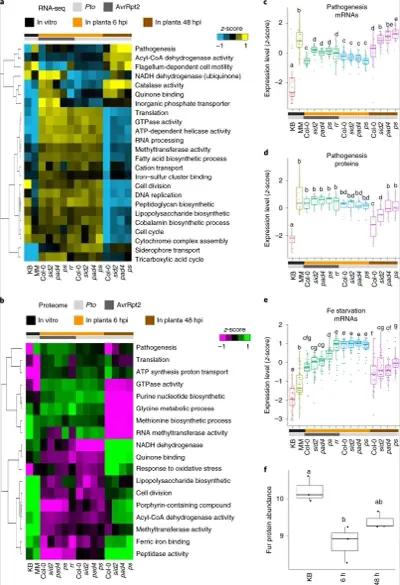
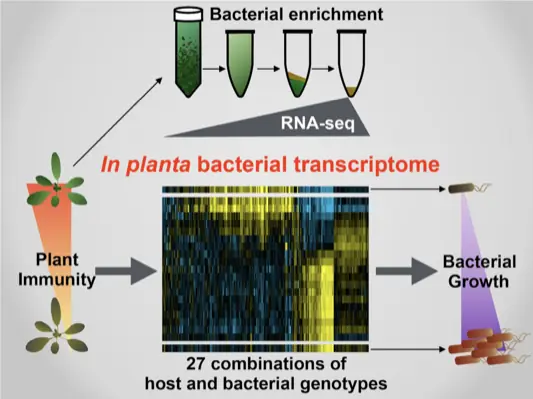
We developed approaches to profile bacterial transcriptomes and proteomes directly inside plant tissue, allowing bacterial physiology to be studied in its native host environment. These approaches revealed how plant immunity reshapes pathogen physiology, including suppression of bacterial iron acquisition, and identified in planta gene networks associated with virulence.
Work in progress
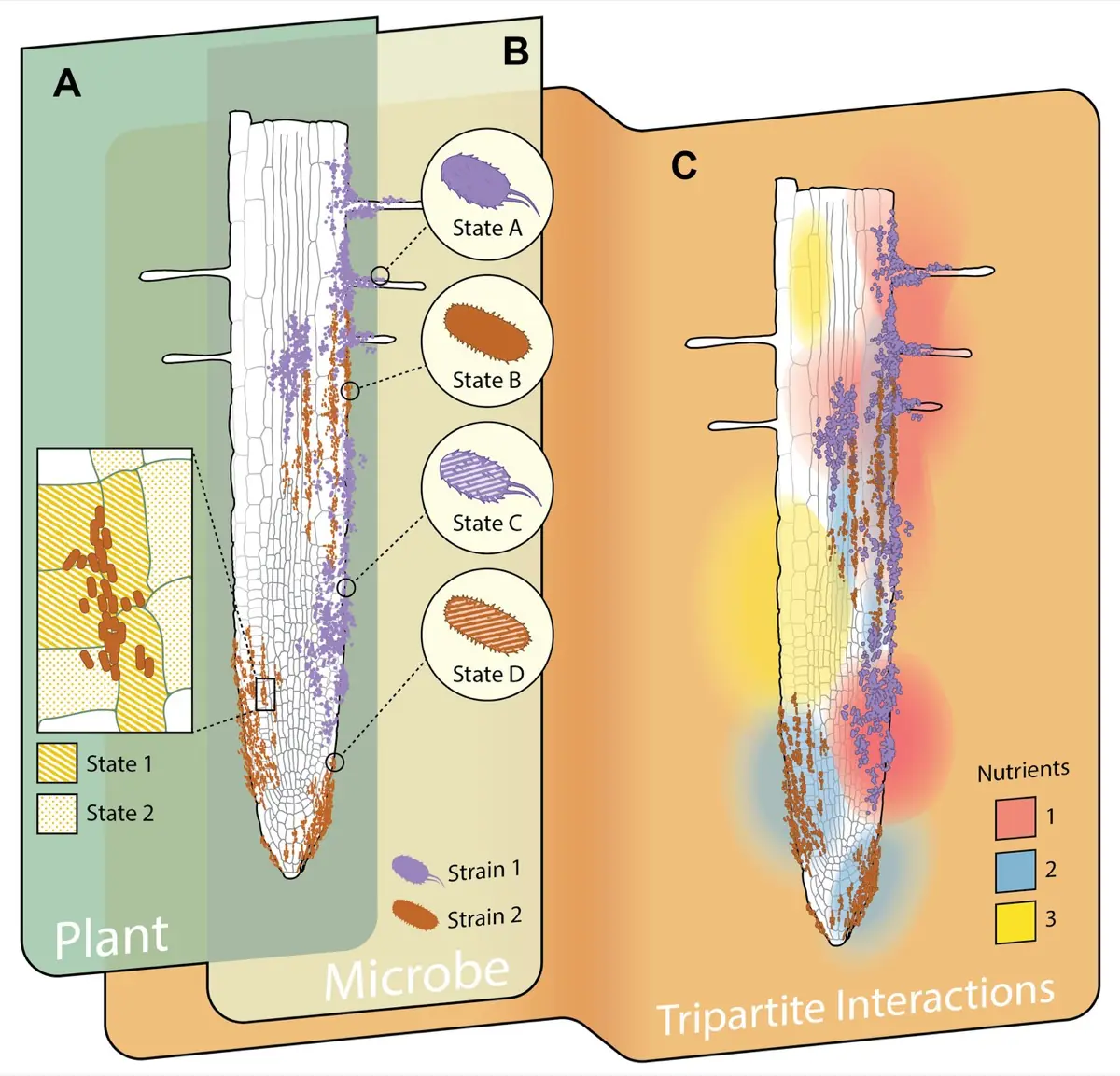
Spatial plant-microbiome interactions
We are developing spatial approaches to measure plant gene expression together with microbial identity and location in intact tissues. Our goal is to connect where individual microbes colonize with the local plant cell states they encounter and induce, and ultimately to understand plant-microbiome interactions as spatially coupled cellular systems.
Tools & data
Everything we share openly, in one place.
- Protocol
Media: The Scientist, CBS8, GenomeWeb, Spectrum News
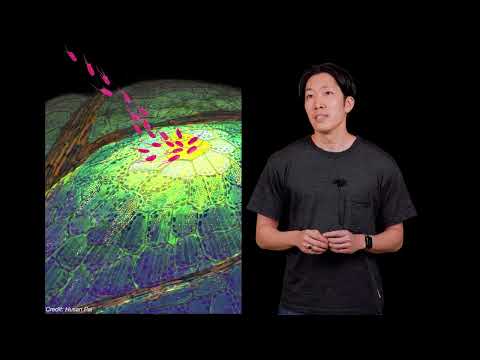
Molecular and cellular basis of plant-microbe interactions
The Sainsbury Laboratory
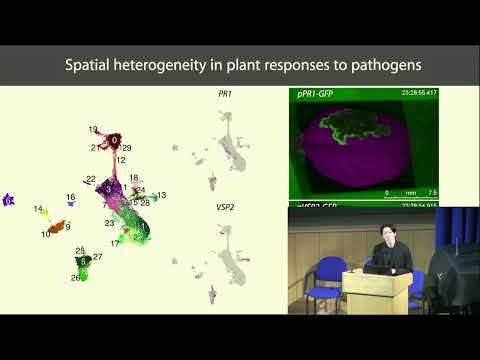
Centre for Microbial Interactions
The Sainsbury Laboratory
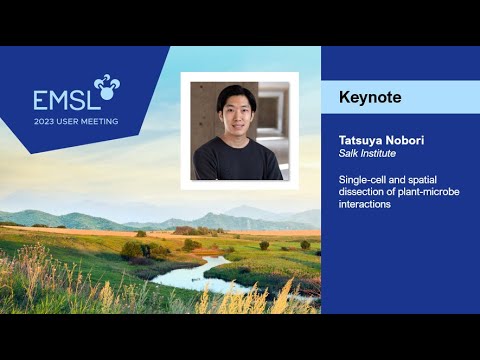
Single-cell and Spatial Dissection of Plant-microbe Interactions
EMSL User Meeting 2023

EMBL-EBI Webinar
EMBL-EBI 2023
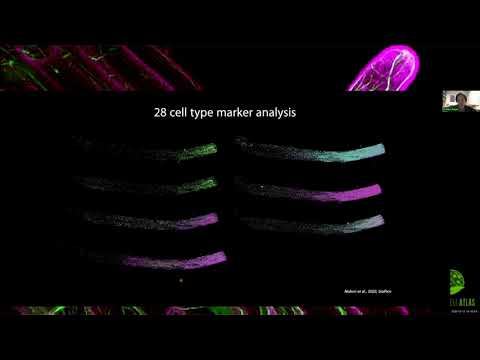
Plant Cell Atlas Symposium Talk
2nd PCA Symposium
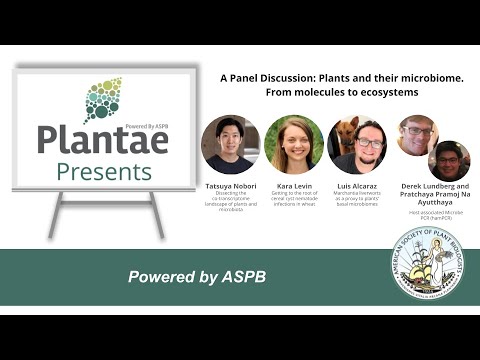
Plants and their microbiome: From molecules to ecosystems
Plantae Presents Panels
Online Talk / Presentation
#59 Minds Meet Weeds – Part 1
NeuroRadio
#60 Minds Meet Weeds – Part 2
NeuroRadio
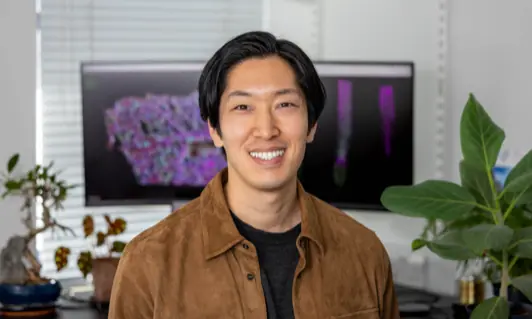
The Sainsbury Laboratory — Group Leader
Norwich, UK
Salk Institute — Postdoctoral Fellow
La Jolla, California, USA·Supervisor: Prof. Joseph R. Ecker
Max-Planck Institute for Plant Breeding Research — Ph.D.
Cologne, Germany·Summa cum laude · Supervisor: Dr. Kenichi Tsuda
University of Tokyo — M.S.
Tokyo, Japan
CEA Cadarache — Research Student
Saint-Paul-lès-Durance, France
University of Tokyo — B.S.
Tokyo, Japan
- ▸JSPP Young Investigator Award 2026
- ▸Biochemical Society Early Career Research Award 2025
- ▸Best Trainee Talk, Salk Science at the Seaside 2023
- ▸Poster Prize, Gordon Research Conference Plant Molecular Biology 2022
- ▸HFSP Long-Term Fellow, 2020–2023
- ▸PhD summa cum laude, MPI / University of Cologne, 2019
- ▸Best Paper Award for Young Researchers, Japan Radioisotope Association, 2016
- ▸Nakajima Foundation Scholarship, 2015–2019
- ▸French Government Scholarship 2013–2014
- ▸Senior Editor, Molecular Plant-Microbe Interactions, 2025–present
- ▸Editor, Plant & Cell Physiology, 2024–present
- ▸Editor, Journal of General Plant Pathology, 2024–present
- ▸Assistant Features Editor, The Plant Cell, Jan 2021–Dec 2022
- ▸Plantae Fellow, 2020–2021
- ▸Keystone Symposia, Receptor Kinase Signaling: Fueling Plant Resilience and Development, Vancouver (May 2027)
- ▸ICBPI 2026 (Plenary speaker), Nanjing, China (October 2026)
- ▸Max Planck Institute for Molecular Plant Physiology, Golm (September 2026), Host: Caroline Gutjahr
- ▸Scandinavian Plant Physiology Society (SPPS) conference 2026 (Plenary speaker), Helsinki (August 2026)
- ▸Gatsby Plant Science Network Meeting 2026, Oxford (August 2026)
- ▸Norwich Single-Cell and Spatial Symposium 2026 (Keynote speaker), Norwich (July 2026)
- ▸ICAR 2026 (Plenary speaker), Singapore (June 2026)
- ▸Centre for Research in Agricultural Genomics (CRAG), Barcelona (April 2026), Host: Ignacio Rubio Somoza
- ▸Department of Plant and Microbial Biology (IPMB), University of Zurich, Zurich (April 2026) (Postdoc-nominated seminar)
- ▸Cold Spring Harbor Laboratory meeting, Plant Genomes Systems Biology and Engineering (December 2025)
- ▸Crop Science Centre, Cambridge University (November 2025), Host: Uta Paszkowski
- ▸Department seminar, Department of Biology, Oxford University (October 2025), Host: Mark Fricker
- ▸FASEB 2025 Mechanisms in Plant Development, Southbridge, Massachusetts (August 2025)
- ▸Gordon Research Conference for Single-Cell Approaches in Plant Biology, University of Southern Maine (August 2025)
- ▸Plant Biology 2025 (Plenary speaker), Milwaukee (July 2025)
- ▸14th Conference of the European Foundation for Plant Pathology (Plenary speaker), Uppsala, Sweden (June 2025)
- ▸VIB-UGent Center for Plant Systems Biology, Ghent (March 2025), Host: Hilde Nelissen
- ▸Revolutionizing Next-Generation Sequencing 6th edition, Antwerp (March 2025)
- ▸Department seminar, DBMV, University of Lausanne (February 2025), Host: Sebastian Soyk
ERC Advanced, ERC Consolidator, BBSRC, ANR, SPS, NSF, Swiss National Science Foundation
Cell, Cell Host & Microbe, Current Opinion in Plant Biology, Developmental Cell, eLife, ISME, MPMI, Nature, Nature Comms, Nature Methods, Nature Microbiology, Nature Plants, New Phytologist, Plant Physiology, PNAS, PCP, Plos Pathogens, Trends in Plant Science, The Plant Cell, The Plant Journal, Science
Tatsuya Nobori
Group Leader

Vangeli Geshkovski
Postdoc
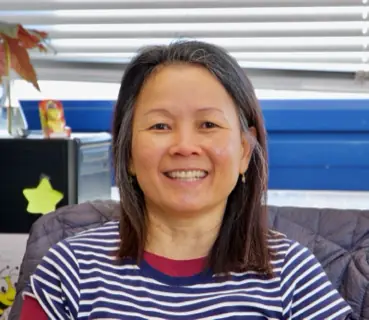
Phon Green
Research Assistant
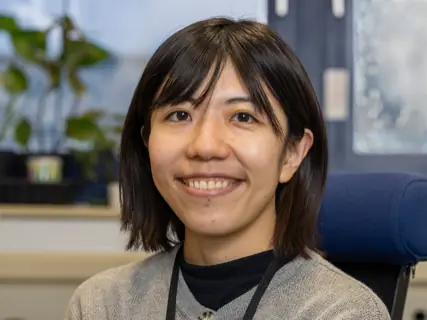
Akari Maeda
Postdoc
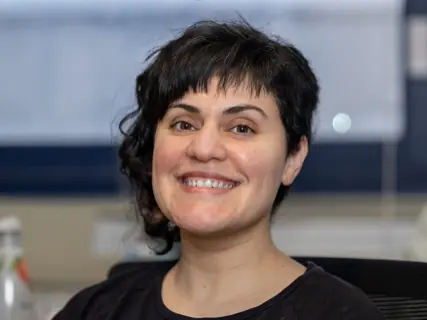
Fernanda Aguad
Horticultural Technician
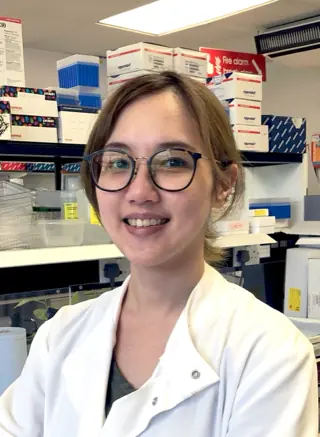
Hsuan Pai
Research Assistant
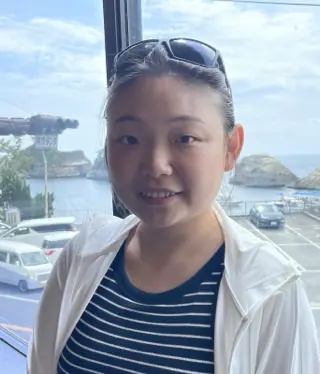
Siyu Song
Postdoc
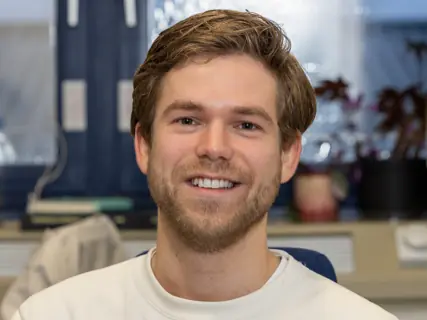
Nanne Taks
Postdoc

Benjamin Tremblay
Postdoc
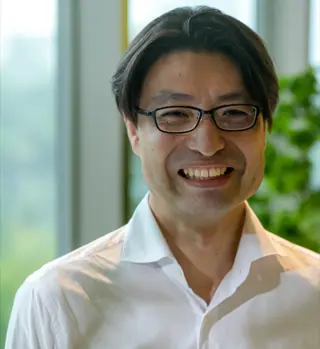
Tokuji Tsuchiya
Postdoc
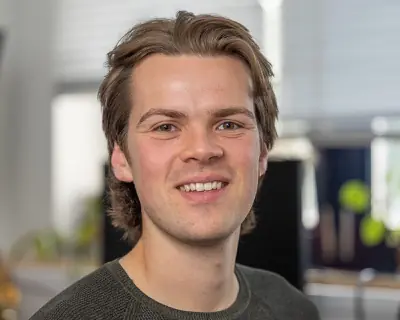
Ketil Krabbe
Predoctoral Intern
Current lab members come from many countries. Alumni also came from other countries. The lab is based in Norwich, UK.
Join Us!
Expressions of interest · REGGEN-2026
Regulatory genomics and machine learning
We welcome inquiries from people at any career stage with strong foundations in regulatory genomics or machine learning and fluency with agentic coding tools. No plant background is required.
Other opportunities
Interested in joining the lab in another capacity, such as a PhD, predoc, or future postdoc project? Please email Tatsuya your CV along with a cover letter that includes:
- Your research experience so far
- (for PD/PhD) your intended research focus
- Why you are interested in joining us at TSL
Alumni
psst... try double-clicking someone
Group Photos
July 2026
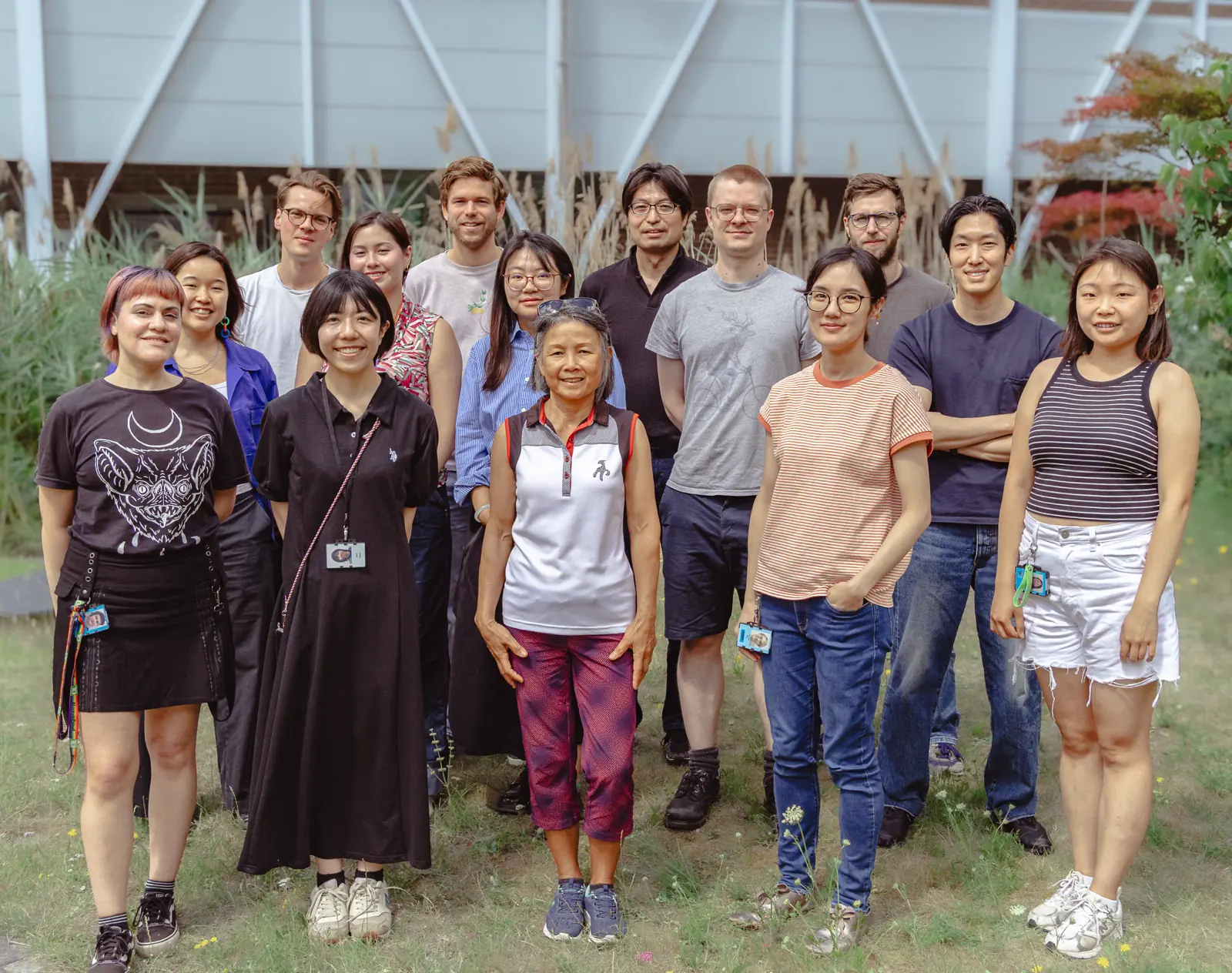
Group photo
July 2026
Group photo

Sep 2026
Farewell Karen
Karen Uchida completes her time as a Predoc Intern and heads on to start a PhD at ETH Zurich. Thank you for everything, and best of luck.
Read →Aug 2026
The lab turns two
Second anniversary of the Nobori Lab, which opened at The Sainsbury Laboratory in August 2024.
May 2026
Welcome Ketil Krabbe
Ketil joins as a new pre-doc. He completed his master's with Sarah O'Connor at MPI Jena (single-cell metabolomics) and a science policy internship at the OPCW before joining us.
Norwich Research Park
Norwich NR4 7UH, United Kingdom
(+44) 01603 450504